Table of Contents
Introduction
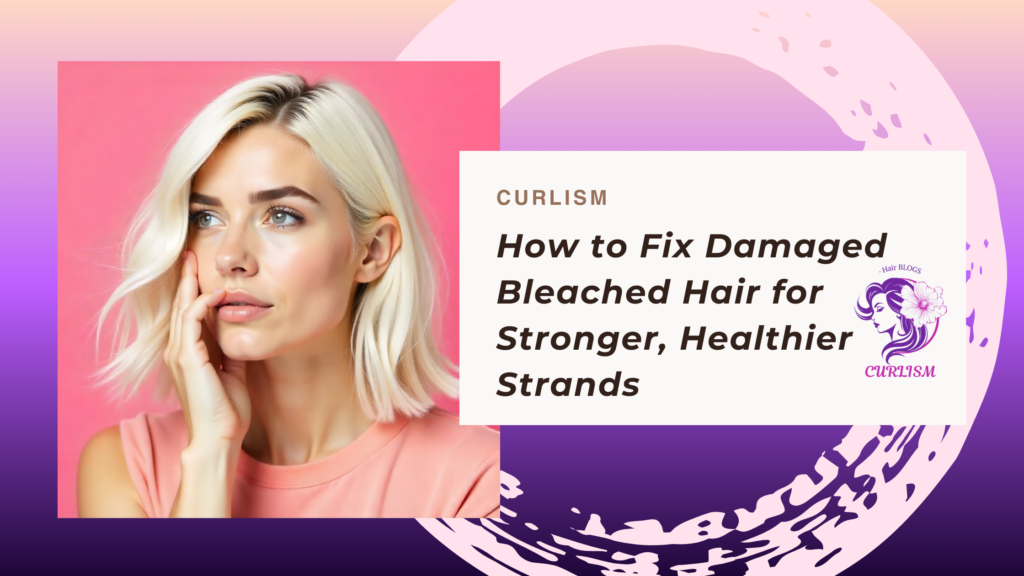
You can now make your hair look sun kissed or platinum with the beautiful look that you have always dreamed of but at a price. When your strands are dry, brittle and always breaking, you are confronted with damaged bleached hair. The good news? Even over-processed locks can be given back some strength, shine and elasticity with the proper care.
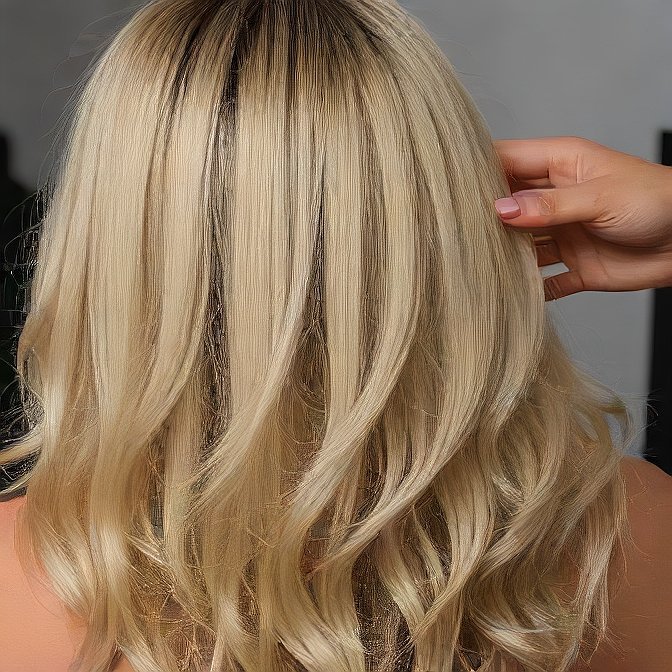
We will take you through some of the steps that have been tried and tested to fix and save bleached hair, whether through deep conditioning and protein treatments or through a cut, product selection and recovery plans that would last in the long-term. No matter whether you are attempting to preserve your current style or you are ready to embark on your next hair color journey, these measures will enable you to have healthier and stronger hair, and at the same time, retain your appearance.
Understanding Damaged Bleached Hair
During bleaching, hair is subjected to a chemical process which depigments the hair and makes it porous and brittle. Bleached hair is not only dry, but also compromised internally. Varies and fractures in the structure of the hair cuticle can result in the hair being highly susceptible to tear and split ends.
Damage may manifest itself as:
- Split ends which result in hair appearing tattered and ragged.
- Wet and frizzed hair as a result of water loss.
- Monotony since light cannot reflect on a coarse hair surface.
- Snap-prone strands which tear up easily in the process of brushing or styling.
The first thing to do it to fix your hair and avoid future damages is to understand the root of the problem.
Immediate Steps to Prevent Further Damage
Prior to immersing into treatments it is very important to cease practices that make damage more severe. It will help you to protect yourself from your hair, and whatever you will do to fix it will be more effective.
- Stop heat styling and other rough treatment of chemically such as perming or a second bleach.
- Taking of shower should be reduced and use of sulfate-free shampoos should be taken to avoid the loss of natural oils.
- Protective hair styles (braids, bunch or twists, etc.) can help to reduce friction and breakage.
- Use the correct instruments: wide-tooth comb, soft brushes, and microfiber towels are used to reduce the mechanical injury effect during detangling.
These immediate measures will allow you to increase your chances of restoring your hair as well as avoiding additional stress.
Check Out: What T0 Do Before Coloring Your Hair for the Best Results.
Deep Conditioning
The solution to re-hydrating bleached hair, which is fried is water. Without it the strands are dry, brittle and easily broken.
- Deep conditioning masks: The hydrating conditioning masks replaces moisture and the structure conditioning masks replaces structure. Sometimes the two mixture is ideal in bleached hair.
- DIYs that have worked: The natural oils like argan oil, coconut oil or avocado oil would be capable of nourishing the hair completely. Honey and aloe vera are quite good at hydration.
- Routine: Deep conditioners are to be applied 1- 2 times a week, based on how dry or damaged your hair is. Hair may be pulled, and hence set ways.
One of the most common uses of moisture is to flatten hair cuticle and reduce frizz and regain shine making the hair strands stronger and more robust.
Protein Treatments for Strength and Elasticity

Bleach also eliminates the natural proteins in the hair and leaves the hair strands to be weak and easily broken. Protein treatments help in the restoration of the interior structure, strengthening the elasticity, and reducing the number of snapped prone strands.
- Home vs. salon treatments: To perform it at home, a good idea is to apply protein rich masks that have either keratin or hydrolyzed proteins. The nicotations in salons, being stronger in nature (Olaplex, or professional keratin treatments), penetrate deeper.
- Protein vs. moisture: When the hair is mushy or too stiff after the treatments, then the hair may need more moisture. Generally, protein works well to dry brittle strands.
- Avoid protein overload: The amount of protein will make the hair hard and tough. Use balance protein and moisturizing mask so as to have soft and flexible hair.
Protein treatments are done on a regular basis to help restore the strength of your hair and prevent any further damage to it as well as to ensure that your hair is strong and healthy.
Trimming and Managing Split Ends
The broken ends will never be mended completely by the best treatments, they must be clipped. Clipping of hair is the most important procedure that can be performed to ensure that bleached hair remains in a good and smooth condition.
- Interval: Cut after every 68 weeks to keep the length and eliminate the frayed ends.
- Interim remedies: should you not succumb to trimming, momentarily apply the temporary remedy of split-end serums or of smoothing solution which will temporarily protect fraying and breaking.
- Avoiding the additional segregation: In this case, you would fuse trims and deep conditioning and rubbing your hair softly between hair cuts in order to increase your hair length.
Cutting will ensure that the hair is trimmed and will not be ripped along the way as up the strand.
Selecting the Best Hair Care Products.
All conditioners, styling products and shampoos cannot be applied in bleached hair. Repair and maintenance are very important in good and right products.
- Shampoos and conditioners: Find the formulas that are designed with bleached hair or chemically treated hair, in particular, it helps to replenish the moisture and protect hair.
- Mild washing: Sulfate free shampoos do not strip additional colors and oils on hair leaving it moist and soft.
- The leave-in treatments and oils Argan oil, jojoba oil or leave-in serums are fortifying, frizz-reducing and shiny-hair products.
- Heat protectants: This is crucial in ensuring that brittle bleached hair is not damaged by hair tools.
Selecting the optimum products will guarantee your hair will come back to life and your health will be maintained.
Long-Term Hair Recovery Strategies
Healing fried hair cannot happen overnight, it will take a long period of care.
- Maintenance routine: Go for light cleansing, protein treatment, deep conditioning and trimming.
- Covering: UV shields, swimming caps and heat shields prevent further damage of hair.
- Patience: It may need weeks and months before things improve. Regularity is the important element towards coming up with stronger and healthier strands.
The right routine will assist in strengthening your hair, making it shiny and flexible which will make it safer and easier to style in future.
Indications of When to Seek Professional Help.

These are the damages not to be made at home. The consciousness of the time that a specialist should meet you will prevent the further loss of your hair.
- Red flags: Hair is excessively snarled, it is excessively dry or it is excessive.
- Professional treatments: Unless the damage is very deep-seated, Keratin, Olaplex or salon-strength level protein treatments will better repair a deep-seated damage.
- The prognosis of bleaching safety: A hairdresser can assist you in planning the date of hair color change and reducing the risk, so that you could have healthy hair.
This can be done through occupational intervention, which, perhaps, is the fastest method to revitalize the health of hair and prevent some damage that cannot be repaired.
Conclusion
Getting back to the hair which is damaged as a result of bleaching is not an easy task, and the only way to do it is to wait, use the right products and take care of your hair. Knowing the damage, the correct applications of the protein treatments with the deep conditioning treatments, frequent trimming, prudent selection of hair care products you will be able to transform the brittle and dry hair into the healthy and strong and shiny locks.
One should not forget that hair care is a process – workouts and attention will go a long way in keeping your hair color and making sure your hair is soft, shiny, and strong. With these tips in this guide, you will not only be able to get your hair back but it will also be more prepared to be a coloring adventurist in the future.
For more info: Click Here.
FAQs
1. Is broken bleached hair capable of being restored without the necessity of cutting it?
In spite of the fact that deep conditioning and protein treatments can help a lot to improve the strength and moisture, trimming split ends is a necessary measure in the long-term health. Without the process of trimming the damage may continue along the hair shaft.
2. What is the frequency of the deep conditioning procedures of bleached hair?
Deep conditioning is to be recommended to be performed 1-2 times a week to achieve the best results. Depending on the droughtiness of your hair and how much of it has been damaged, change the frequency, a lot of it will leave you very heavy-haired.
3. Does that mean I must bleach my hair after the harm has been done?
Strong, healthy and well nourished hair of yours, yes, but it must be strong. Moreover, one should always consult a professional stylist and follow damage preventing methods like oliveaplex that lessen the damage during subsequent bleaching.